







Search Results for: deeply fermented oolong tea
A Comparative Analysis of Flavor Differences Between Phoenix Dancong and Dongding Oolong: How Deep Fermentation Shapes the Unique Taste of Taiwan Oolong
Taiwanese oolong tea is widely popular for its lightly fermented, fragrant style, but traditional deeply fermented Dong Ding oolong has a completely different flavor direction. This article starts with the fermentation process, compares the essential differences in taste between Phoenix Dancong and Dong Ding oolong, and provides an in-depth analysis of how deeply fermented oolong tea forms its unique fruity aroma and rich mouthfeel through two stages: internal oxidation and external oxidation. The article also introduces the changes in tea flavor brought about by reduced rainfall in 2018, as well as reservation information for two distinctive oolong teas from Alishan and Dongding Mountain. For those who love exploring the depth of oolong tea flavor, this is a guide to craftsmanship and tasting worth reading carefully. [more…]
Analysis of the Aroma Profile Characteristics of Shiguping Oolong Tea: How It Differs from Wenshan Baozhong and Phoenix Dancong
Shiguping, also known as Shiguping or Shiguping, is a little-known village in Bu County in the Fenghuang mountain area. The oolong tea produced here has an ancient and unique variety, and is even considered one of the origins of Minnan and Taiwan oolong tea. Compared with Fenghuang Dancong and Wenshan Baozhong, Shiguping oolong is more deeply fermented, with a more mature aroma, honey and fruity notes, and a round, full mouthfeel. This article will guide you through the true characteristics of Shiguping oolong, its aroma type classification, and its differences from Wenshan Baozhong and Fenghuang Dancong, and will also explore why this traditional fine tea is now scarce in production. Front Street Coffee recommends that you savor this rare oolong forgotten by time. [more…]
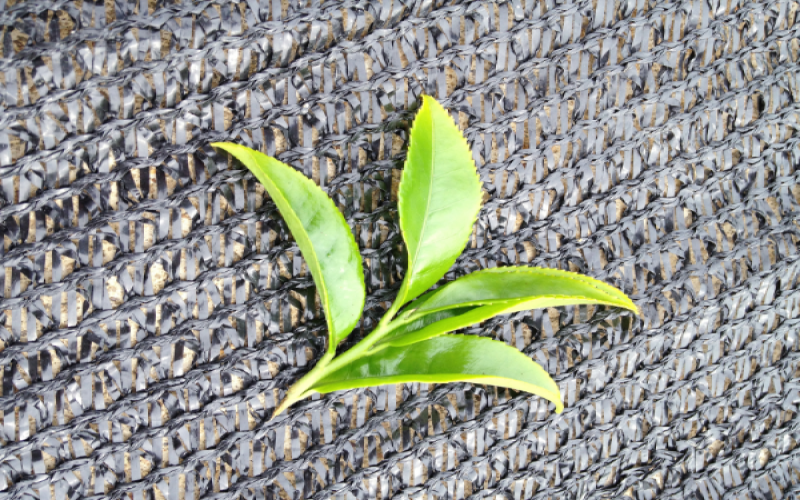
Phoenix Dancong Oolong Tea: A Complete Overview of Processing, Brewing Techniques, and Aroma Characteristics
Phoenix Dancong Oolong Tea originates from Fenghuang Town in Chaoshan, Guangdong, and ranks among China's four great oolong teas, alongside Tieguanyin, Wuyi Rock Tea, and Bergamot Tea. Its production process is intricate; the traditional method takes over 20 hours and requires withering, rolling, fermentation, and repeated roasting. The finished tea has a rich aroma and a long, sweet aftertaste. When brewing, it is recommended to use 6 grams of tea leaves with 150 milliliters of hot water, adjusting the water temperature and steeping time according to the degree of oxidation; the leaves can be brewed 3 to 5 times. This article details the production process, brewing key points, and aroma characteristics of Phoenix Dancong, and recommends related products from the Front Street brand, guiding you to deeply appreciate the unique charm of this finest of teas. [more…]
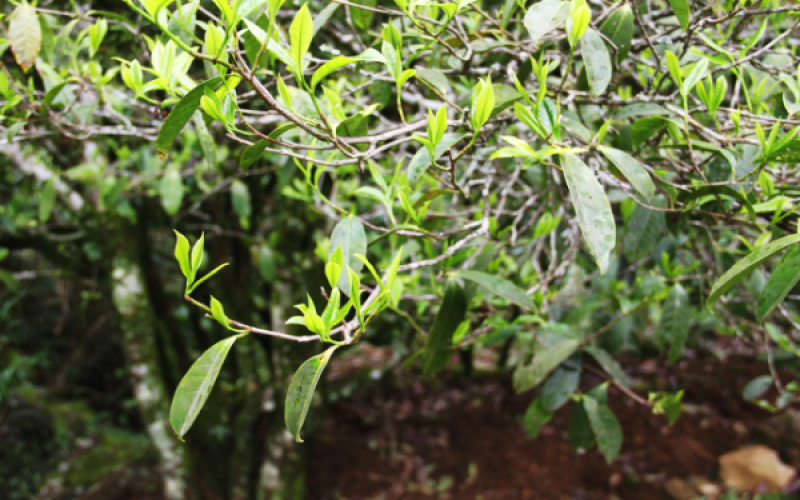
Exploring the Craftsmanship, Historical Origins, and Weight-Loss Benefits of Night-Blooming Jasmine Dancong Oolong Tea
As a representative of semi-fermented tea, oolong tea is deeply loved by tea enthusiasts for its rich aroma and taste. Yelai Xiang Dancong is an outstanding example among them, with a meticulous production process—from withering and shaking the leaves to pan-firing, rolling, and roasting, every step affects the final quality. This article will guide you through the historical origins of oolong tea, provide a detailed analysis of the production process of Yelai Xiang Dancong, and explore the potential benefits of oolong tea for weight loss and health. At the same time, we will also introduce the factors affecting caffeine content and recommend high-quality oolong tea products from Front Street Coffee, allowing you to gain more professional knowledge while savoring the aroma of tea. [more…]
Phoenix Dancong Authentic Origin and Buying Guide: A Comprehensive Analysis from Production Craft to Tea Garden Selection
Phoenix Dancong oolong tea is deeply loved by tea enthusiasts for its unique flavor, but many people have misconceptions about where that flavor comes from. This article will take an in-depth look at the production process of Phoenix Dancong, revealing how the roasting process shapes its distinctive quality, and comparing the low-end teas commonly found on the market with carefully made traditional charcoal-roasted teas. We will also explore the characteristics of different tea gardens on Phoenix Mountain in Chaozhou, helping you understand where to buy authentic Phoenix Dancong tea and how to distinguish genuine from fake and superior from inferior. Whether you are a seasoned tea drinker or a beginner, this article will provide you with practical buying guidance and tasting knowledge. [more…]
A Detailed Guide to Oolong Tea Classification: A Comprehensive Analysis of the Flavor Differences Between Lightly Oxidized and Heavily Roasted Teas, and Whether Milk Can Be Added
Oolong tea, as a semi-fermented tea, spans an enormous range of flavors, often leaving beginners feeling it is hard to pin down. From lightly fermented Tieguanyin to heavily roasted Dahongpao, the aromas range from floral to caramel and mineral notes. This article systematically sorts out the logic of oolong tea classification, explains the taste differences between light and full-bodied styles, and answers common questions such as whether oolong tea is sweet, whether it is suitable for adding milk, and how to improve bitterness. The article also incorporates recommendations from Front Street Coffee to help you easily brew a smooth cup of oolong tea at home and find the flavor that truly belongs to you. [more…]
Comparison of Wuyi Rougui Rock Tea and Phoenix Dancong: Analysis of Aroma and Taste Differences and the Core Distinctions Between Rock Tea and Dancong
In the world of Chinese oolong tea, Wuyi rock tea and Phoenix Dancong are often compared. The former, represented by Da Hong Pao, is hailed as the king of rock tea, while the latter originates from Phoenix Mountain in Chaozhou, Guangdong, and is known for its rich fruity aroma and high value for money. Although both belong to the heavily oxidized oolong category, they each have their own strengths in aroma type, depth of flavor, the influence of tree age, and market price. This article will help you sort out whether Wuyi cinnamon rock tea or Phoenix Dancong is more fragrant and better tasting, and clarify the fundamental differences between rock tea and Dancong, from perspectives such as the tea tree growing environment, the difference between old-tree and garden tea, and the expression of mineral mouthfeel. At the same time, the article will also retain related recommendations for the Front Street brand, providing a reference for coffee lovers exploring the world of tea. [more…]
Wuyi Rock Tea vs. Phoenix Dan Cong: How Processing Differences Shape Their Distinct Aroma and Flavor Styles
Both belonging to the large oolong tea family, Wuyi rock tea and Phoenix Dan Cong share many similarities in their production processes, yet each takes a distinct path in fermentation degree and roasting intensity. Rock tea leans toward emphasizing body and seeking aroma, while Dan Cong excels at emphasizing aroma and seeking body. The former undergoes more thorough and complete leaf shaking, while the latter is relatively lightly processed, resulting in a significant divergence in mouthfeel richness and aromatic expression. This article will systematically break down the primary and refining processes of both, and deeply analyze how key techniques such as double pan-firing and double rolling, and slow simmering over low heat, impart rock tea its unique character, while also revealing the logic behind Phoenix Dan Cong's light fermentation and light roasting that highlights floral aromas. Whether you are a rock tea devotee or a Dan Cong enthusiast, you will gain a clear understanding of the craftsmanship. [more…]
Is Tieguanyin a Type of Oolong Tea? The Origin of Its Name, Differences Between Anxi and Taiwan Craftsmanship, and the Correct Brewing Method
Tieguanyin is one of China's ten famous teas, commonly found in cafes across the Taiwan Strait and overseas, but the production styles of Anxi and Taiwan differ significantly. This article starts with Tieguanyin's classification as an oolong tea, outlining the complete process of Anxi Tieguanyin from picking, withering, shaking green, rolling, to roasting, tells the legend of Guanyin's dream behind the name "Tieguanyin," and compares the different flavors of Anxi's light-fermented floral type and Taiwan's heavily roasted strong-aroma type. At the end, correct gongfu brewing suggestions are included to help coffee enthusiasts and tea lovers understand the patience and charm of this tea, while also retaining relevant recommendations from the Front Street brand. [more…]
How much does Keemun Grade 1 black tea cost per catty on the market? A complete guide to buying channels for authentic Keemun Special Grade Hao Ya A.
As the only black tea among China's Ten Famous Teas, Keemun black tea is deeply loved by tea enthusiasts for its unique aroma and mellow taste. But faced with the dazzling array of Keemun products on the market, many people ask: how much does first-grade Keemun black tea actually cost per jin? And where should one buy authentic Keemun Special Grade Hao Ya A? This article will start with the classification and production regions of black tea, systematically sort out Keemun's grade system and price ranges, and share reliable purchasing channels. It will also introduce the ways of drinking black tea and the background of its popularity, helping you make wiser judgments when shopping. Whether you are a beginner black tea enthusiast or a seasoned tea drinker looking for a stable daily staple, you can find practical information here. [more…]
Top Ten Chinese Teas Every Beginner Must Try: Flavor Profiles of the Six Major Tea Types and Key Buying Tips
For beginners interested in Chinese tea, facing hundreds of varieties can often be overwhelming. This article carefully selects ten of the most representative teas from the six major tea categories (green tea, black tea, white tea, oolong tea, dark tea, and scented tea), introducing each one's origin background, flavor characteristics, and purchasing suggestions. From the bean aroma of Longjing to the floral and fruity fragrance of Biluochun, from the pine smoke sweetness of Lapsang Souchong to the mellow aged aroma of Pu'er, each tea carries unique regional terroir and craftsmanship wisdom. Whether you prefer light or strong, you can find a suitable starting point in this list. Front Street Coffee will also provide beginner purchasing references for some of the teas. [more…]
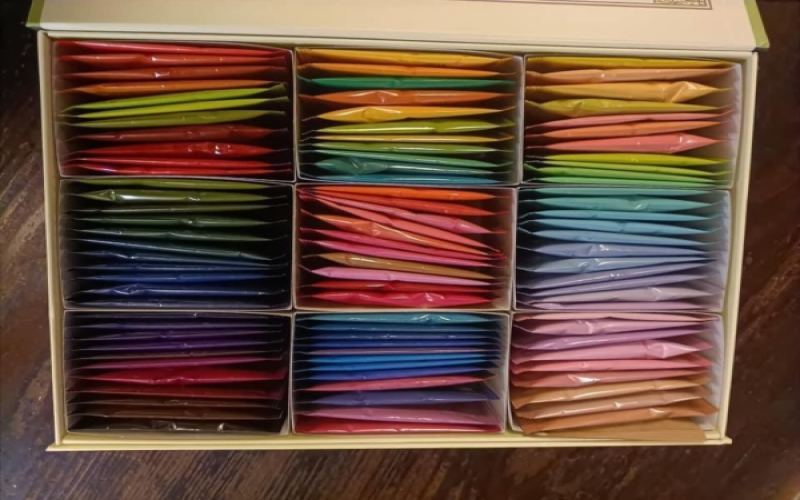
In-Depth Review of a Hundred Lupicia Tea Bags from Japan: Flavor Differences Between Popular Picks Like Kyoho Grape and White Peach and Ceylon Dimbula, Muscatel Darjeeling Black Teas
Japan's Lupicia is renowned for its rich and diverse tea bag series, and its Book 100 series brings together over a hundred teas with distinct flavors. Starting from the top 10 popularity ranking, this article reviews signature offerings one by one, including Kyoho, White Peach Oolong, and TOKIO Tokyo Wild Berry, while also taking an in-depth look at the flavor differences between Ceylon Dimbula and Darjeeling black tea. At the same time, it analyzes the real performance of specialty teas such as Nilgiri, deep-steamed sencha, and Cherry Black Tea. Whether you are a beginner just getting into Lupicia or a seasoned tea drinker looking for an everyday staple, this review can help you find the one that suits you best. Front Street Coffee will also combine tasting experience to share practical advice on selecting and brewing. [more…]
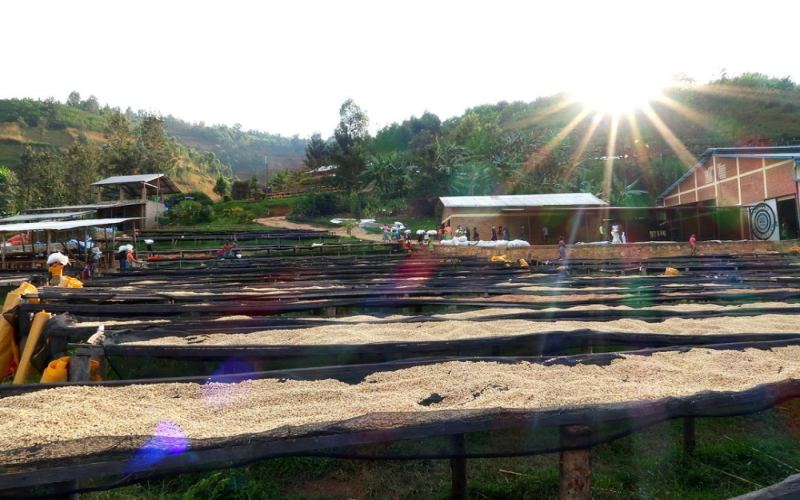
Medium-Light Roast Coffee Bean Recommendations | What Does Yirgacheffe Taste Like? Which High-Quality Hand-Ground Coffee Beans with Floral Aromas and Fruity Acidity Are Suitable for Beginners?
Yirgacheffe is one of the most famous and important producing regions in Ethiopia, and because of its highly recognizable style, it is deeply loved by everyone in the coffee community. So people who have not yet tasted Yirgacheffe will ask, since it is so famous, what exactly does it taste like, and is it suitable for beginners to buy? Why is it said that Yirgacheffe [more…]
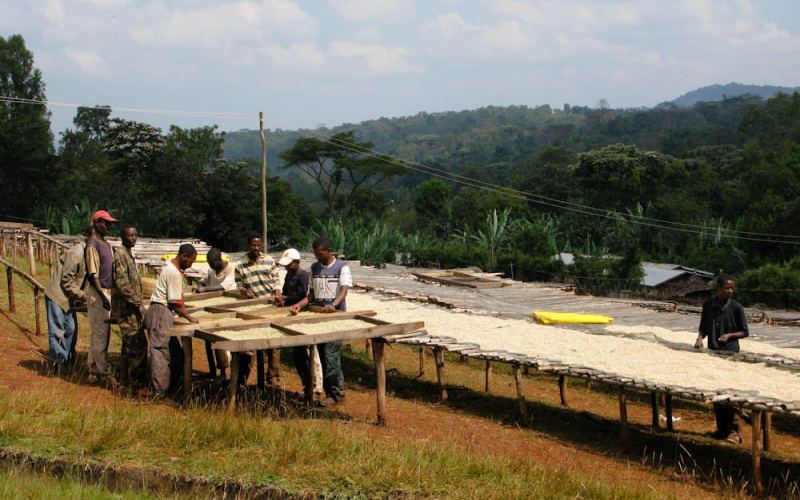
An In-Depth Look at Ethiopian Yirgacheffe Specialty Coffee Beans: From Origin Tracing to Washed Processing
Yirgacheffe is one of Ethiopia's most representative specialty coffee regions, and its coffee beans are renowned worldwide for their distinct floral aroma and citrus notes. Starting from the regional divisions of Yirgacheffe, this article will introduce in detail the characteristics of the Kochere and Gedeb sub-regions, with a focus on the founding background, cultivation model, and production scale of the Gotiti Cooperative. At the same time, the article will also analyze the specific process of the washed processing method, and how this processing method gives Front Street Gotiti coffee beans outstanding cleanliness and a clear mouthfeel reminiscent of oolong tea, providing coffee enthusiasts with a complete beginner's guide to Yirgacheffe. [more…]
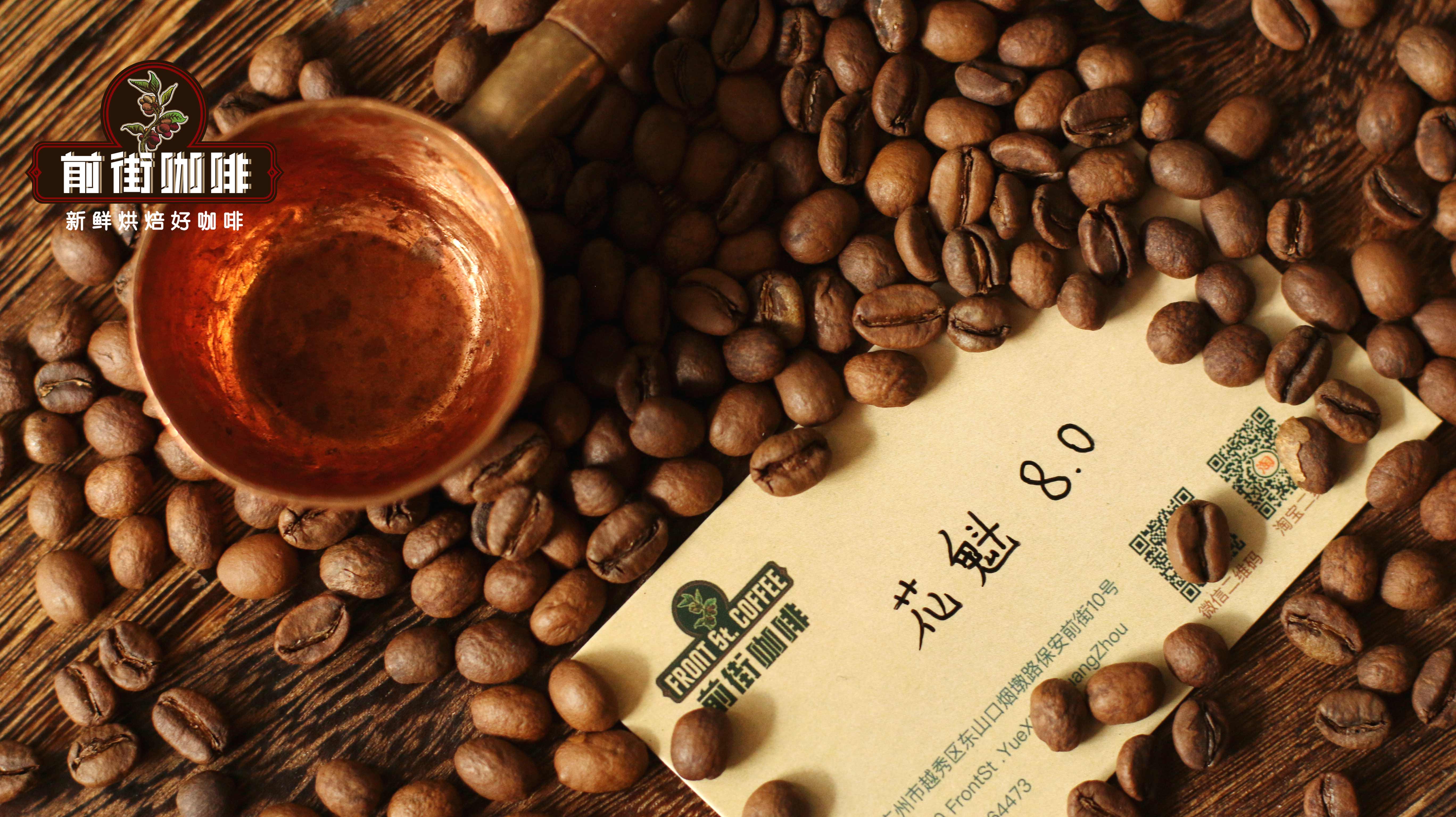
Where Do Sidamo Huakui Coffee Beans Come From? The Rise of the Guji Region and an Analysis of Flavor Differences from Yirgacheffe
As the birthplace of coffee, Ethiopia has a regional division far more complex than one might imagine. Huakui coffee beans have captured the hearts of many enthusiasts with their rich tropical fruit sweetness and delicate floral aroma, but their origin label has shifted from Sidama to Guji, and the two are even used interchangeably—behind this lies the story of Ethiopia's coffee region transformation. From the perspective of Front Street, this article sorts out the connections between Sidama, Guji, and Yirgacheffe, reviews the evolution of Huakui from its 2017 TOH championship to version 8.0, and provides a detailed explanation of the natural process at the Buku Abel processing station, a flavor comparison of each generation of Huakui, and Front Street's roasting and brewing recommendations. [more…]
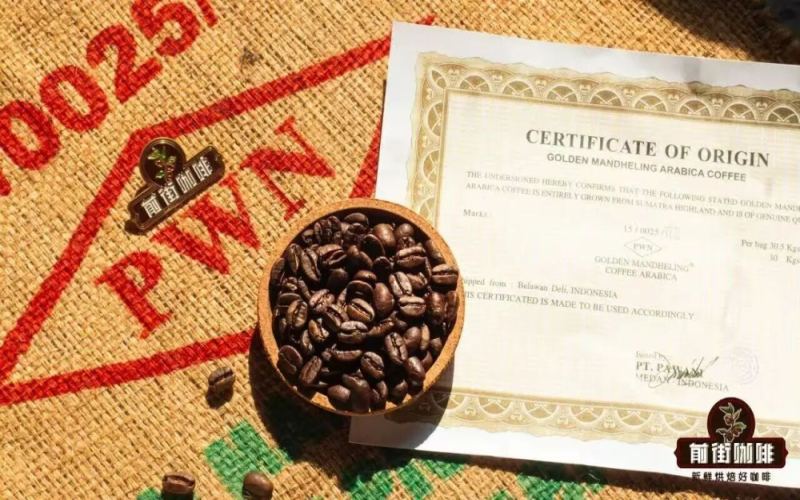
Characteristics of African Coffee | Beyond Pour-Over, Can Classic Yirgacheffe Be Used for Cold Brew/Ice Drip/SOE Espresso? Beginner-Friendly Single-Origin Bean Recommendations with Floral and Citrus Flavors
Traditionally, no matter the country or region, coffee has almost always been dark roasted, so it often leaves a "deeply etched" impression. But as the concept of "specialty coffee" emerged around the turn of the millennium, Yirgacheffe also appeared at this time. Not only does it lack that unbearable bitterness, it even has a remarkable white [more…]
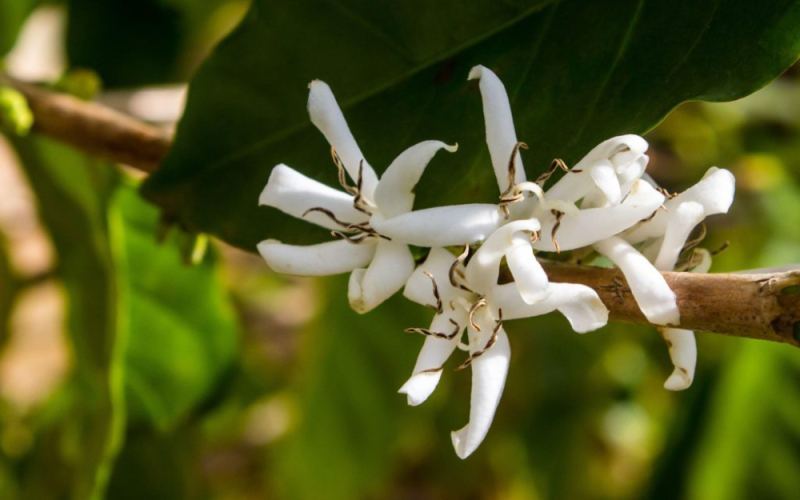
Panama Red Label Geisha and Colombia Hacienda La Esperanza Geisha: A Comprehensive Analysis of Origin Estates, Grade Classification, and Pour-Over Brewing
Geisha coffee is widely recognized as the most exceptional coffee variety in terms of flavor today, but the quality of Geisha produced in different regions and on different estates varies significantly. This article will systematically trace the journey of Geisha from the forests of Ethiopia to the world, focusing on the grading system and flavor characteristics of Panama Hacienda La Esmeralda's Red Label, Green Label, and Blue Label, and extending to the Geisha performance of Colombia's Finca La Esperanza. At the same time, drawing on Front Street Coffee's practical brewing experience, it offers brewing parameters and technique suggestions for different Geishas, helping coffee enthusiasts gain a more comprehensive understanding of this variety's origin logic and key tasting points. [more…]
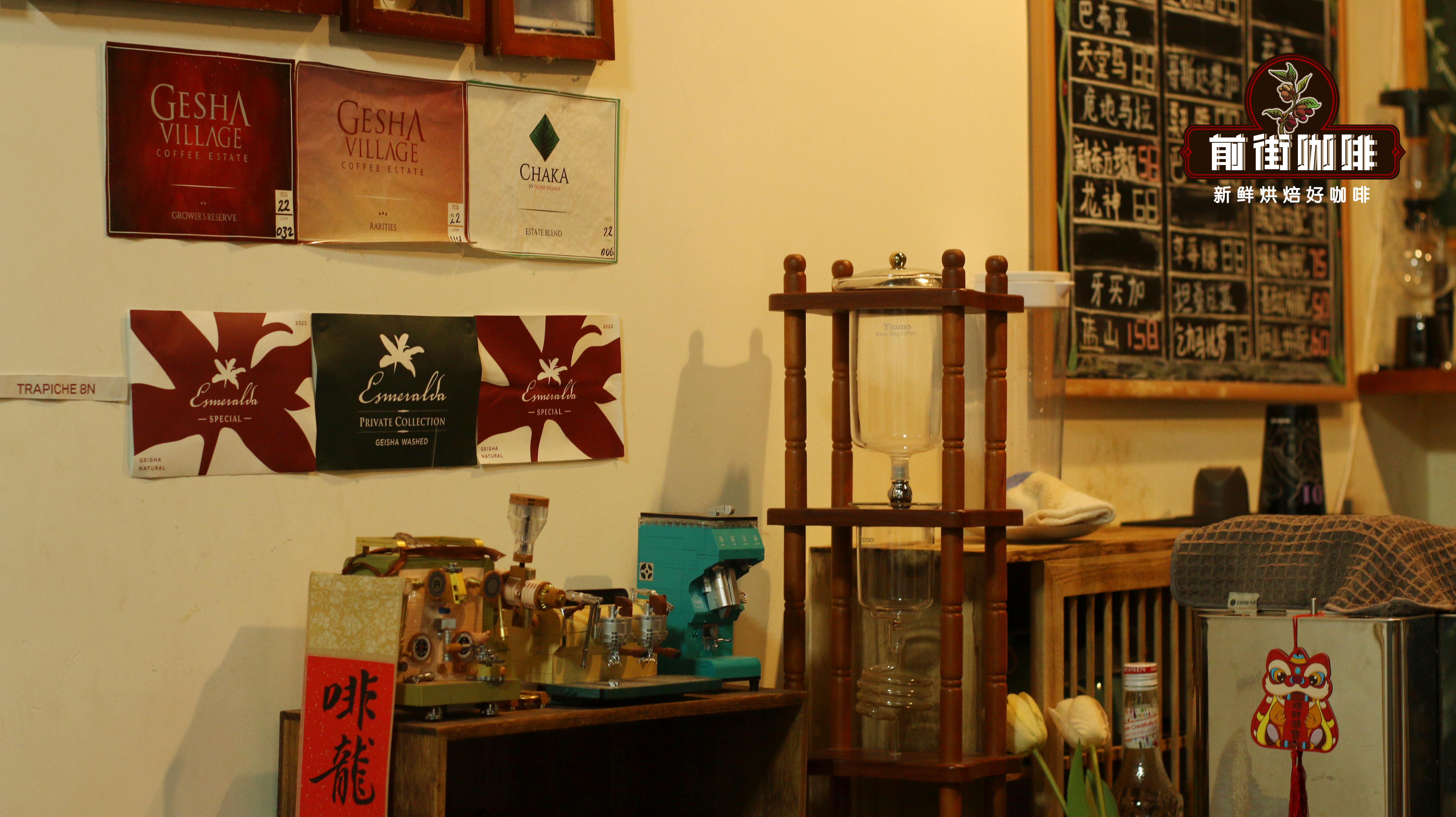
Geisha Coffee Variety Origin and Flavor Analysis: Panama and Ethiopia Production Region Characteristics and Front Street Brewing Guide
Geisha coffee is currently one of the most renowned and expensive varieties in specialty coffee, known for its floral aroma, citrus, peach, and complex fruity acidity, with a creamy smooth mouthfeel and a sweet oolong tea finish. This article starts with Front Street Geisha, first introducing the variety's origins—from the wild forests of Ethiopia to its rise to fame at Hacienda La Esmeralda in Panama—then comparing the flavor differences between two representative producing regions, Panama's Boquete and Ethiopia's Gesha Village, and finally sharing the complete pour-over parameters and three-stage extraction steps for Front Street's Emerald Red Label and Gesha Village Red Label, helping enthusiasts brew their ideal "Geisha flavor." [more…]
A Complete Guide to Geisha Coffee Flavor: From Variety Origins to Pour-Over Guides for Panama and Ethiopia Regions
Geisha coffee is one of the most renowned and expensive varieties in today's specialty coffee world. The rich, elegant floral aroma in the cup, the complex fruity acidity of citrus and peach, the creamy, silky mouthfeel, and the oolong tea-like sweet fragrance in the finish make you feel as if you are drinking a fragrant fruit tea. Many friends who are just getting to know Geisha worry that they will brew the beans poorly and fail to bring out the flavors they should. From the perspective of Front Street, this article first sorts out the variety's origins and cultivation characteristics, then compares the flavor differences between the two representative producing regions of Panama and Ethiopia, and finally provides the specific pour-over parameters and three-stage extraction steps for Front Street's Emerald Red Label and Geisha Village Red Label, helping Geisha lovers build a clear brewing approach. [more…]
How Does First Crack Timing Shape Flavor? A Deep Dive into Three Roast Profiles for Front Street Coffee Costa Rica Black Soul
In coffee roasting, "first crack" is not only an important auditory milestone, but also directly relates to the final flavor presentation in the cup. This article uses Front Street Coffee's Costa Rica Natural Black Soul as a sample, conducting comparative experiments through three roasting curves with different first crack times, to deeply explore the specific effects of the length of the drying phase on bean expansion, the degree of the Maillard reaction, and cupping flavor. From 7 minutes 30 seconds to 8 minutes 30 seconds, subtle differences in first crack timing bring significant changes in fruit acidity, sweetness, body, and complexity. This article will break down each curve's roasting parameters, bean surface condition, and brewing performance one by one, helping roasting enthusiasts understand the core logic of first crack time control. [more…]